


السفير آل صالح يهنئ القيادة والجالية المسلمة باستراليا بعيد الأضحى المبارك
 السفير آل صالح يهنئ القيادة والجالية المسلمة باستراليا بعيد الأضحى المبارك
كانبيرا – الاحد 9/ 12م 1437 هـ الموافق 11/ 09/ 2016 م
رفع سفير خادم الحرمين الشريفين لدى استراليا ونيوزيلاندا الاستاذ نبيل بن محمد آل صالح ونيابة عن منسوبي السفارة والملحقية الثقافية والطلبة السعوديين المبتعثين التهاني والتبريكات لخادم الحرمين الشريفين الملك سلمان بن عبدالعزيز آل سعود ولصاحب السمو الملكي الأمير محمد بن نايف بن عبدالعزيز ولي العهد نائب رئيس مجلس الوزراء وزير الداخلية ولصاحب السمو الملكي الأمير محمد بن سلمان بن عبدالعزيز ولي ولي العهد النائب الثاني لرئيس مجلس الوزراء وزير الدفاع – حفظهم الله – ولشعب المملكة بمناسبة عيد الأضحى المبارك.
وسأل السفير أل صالح الله تعالى أن يديم نعمة الصحة والعافية على خادم الحرمين الشريفين ، ويجزيه خير الجزاء على اهتمامه ورعايته بالحرمين الشريفين وقاصديها من الحجاج والمعتمرين وان يحفظ الله بلادنا ويديم عليها نعمة الأمن والاستقرار.
كما وجه السفير آل صالح التهاني والتبريكات للجاليات الاسلامية في استراليا ونيوزيلاندا بحلول عيد الأضحى المبارك متمنيا ان يعيده الله عليهم وعلى الامة الاسلامية بالخير والبركات سائلا الله جل وعلا ان يتقبل من حجاج بيت الله الحرام صالح اعمالهم وان يجعله حجهم مبروراً وسعيهم مشكوراً وذنبهم مغفورا ويعيدهم الى اوطانهم وديارهم سالمين غانمين باذن الله .
السفير آل صالح يدشن برنامج توزيع التمور في استراليا
 السفير آل صالح يدشن برنامج توزيع التمور في استراليا
كانبيرا 15 رمضان 1437 هـ الموافق 20 يونيو 2016 م
دشن سفير خادم الحرمين الشريفين في استراليا ونيوزيلندا نبيل آل صالح برنامج توزيع التمور المقدم هدية من خادم الحرمين الشريفين الملك سلمان بن عبدالعزيز آل سعود ” حفظه الله ” لمسلمي استراليا ونيوزيلندا والجزر المجاورة بمناسبة شهر رمضان المبارك .
وأوضح السفير آل صالح أن السفارة قامت بتوزيع ما يقارب ستة أطنان من التمور على أكثر من 120 من الجمعيات والمراكز الإسلامية والأفراد في استراليا ونيوزيلندا ودول الجزر المجاورة في فيجي وبابانيوغيني وغيرها خلال الشهر المبارك . وقال إن البرنامج يعد من الأعمال والمبادرات الخيرية التي تقوم بها المملكة خلال شهر رمضان .
Ambassador Al Saleh launches the Saudi date distribution program in Australia
Ambassador of Saudi Arabia in Australia and New Zealand Nabil Al Saleh launched today the Saudi Date distribution program as a gift from the Custodian of the Two Holy Mosques King Salman bin Abdulaziz Al Saud, “God protect him” to Muslims in Australia, New Zealand and neighbouring islands on the occasion of the Holy Month of Ramadan.
Ambassador Al Saleh pointed out that the Embassy has distributed nearly six tonnes of dates across more than 120 associations and Islamic Centres and individuals in Australia, New Zealand and countries neighbouring islands in Fiji and Papa New Guinea and others during the Holy Month. H.E said the program is one of the charity initiatives undertaken by the Kingdom during the holy month of Ramadan.
افتتاح اعمال “المنتدى العالمي للاعمال” في مدينة سيدني الاسترالية .
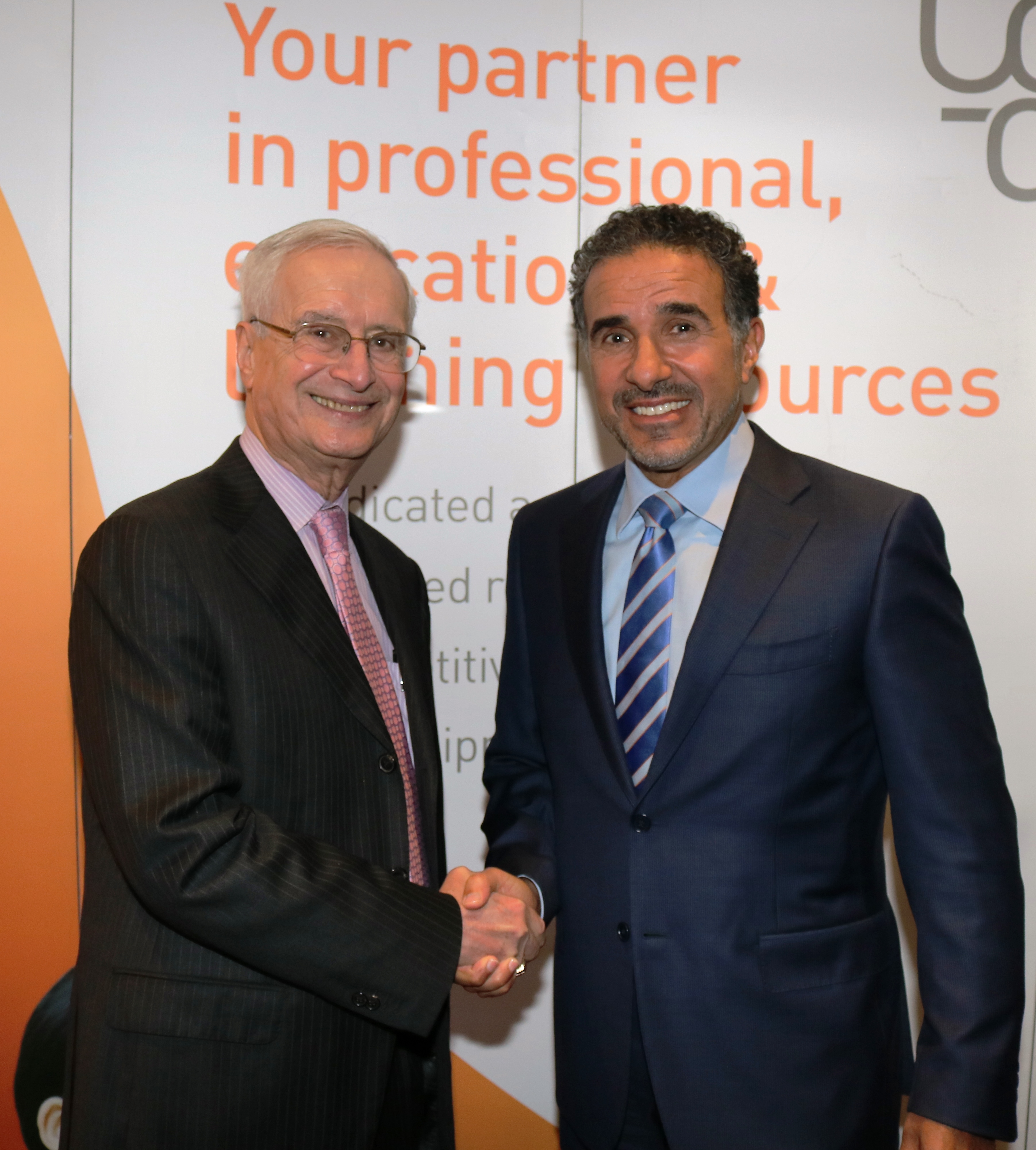
السفير أل صالح والمفكر الاميركي البروفيسور روبرت كابلان خلال المؤتمر .
افتتاح اعمال “المنتدى العالمي للاعمال” في مدينة سيدني الاسترالية .
سيدني 25-5-2016
شارك سفير خادم الحرمين الشريفين لدى استراليا ونيوزيلاندا نبيل بن محمد أل صالح في فعاليات “المنتدى العالمي للاعمال “World Business Forum الذي افتتح اعمالة صباح اليوم في “مركز ستار للمؤتمرات” في مدينة سيدني الاسترالية ويستمر يومي 25 و26 مايو الجاري، بحضور أكثر من 1500 شخصية من رؤساء الشركات العالمية وكبار رجال الأعمال والمفكرين في الاستراتيجيات الاقتصادية وادارة الاعمال من مختلف دول العالم .
وواضح السفير آل صالح في مداخلة له خلال المؤتمر معالم رؤية المملكة العربية السعودية 2030 التي كشف عنها صاحب السمو الملكي الأمير محمد بن سلمان بن عبدالعزيز ولي ولي العهد النائب الثاني لرئيس مجلس الوزراء وزير الدفاع رئيس مجلس الشؤون الاقتصادية والتنمية باعتبارها الخطة التنموية الأكبر بتاريخ المملكة، لافتا انها تعتبر أكبر خطة تحول اقتصادي وطني قيد التنفيذ على مستوى العالم.
ويشهد المنتدى مداولات متعمقة ونقاشات من قبل قادة أعمال دوليين ومفكرين بارزين مثل البروفيسور الأمريكي روبرت كابلان المفكر الاستراتيجي الاقتصادي في مجال ادارة الاعمال ، ورجل الاعمال البريطاني ريتشارد برانسون مؤسس وصاحب مجموعة فيرجين التي تتكون من أكثر من 400 شركة وتتواجد بجميع دول العالم ، والخبير الاميركي كريس غاردنر صاحب الكتاب المشهور “البحث عن السعادة” وغيرهم .
السفير آل صالح يهنئ جامعة فيكتوريا الاسترالية بمناسبة مرور مئة عام على تاسيسها

السفير نبيل بن محمد آل صالح و ورئيس جامعة فيكتوريا جورج باباس
السفير آل صالح يهنئ جامعة فيكتوريا الاسترالية بمناسبة مرور مئة عام على تاسيسها
التقى سفير خادم الحرمين الشريفين لدى استراليا ونيوزيلاندا نبيل بن محمد آل صالح في مدينة ملبورن مساء يوم امس برئيس جامعة فيكتوريا الاسترالية البرفيسور جورج باباس على هامش الحفل الرسمي الذي اقيم بمناسبة مرور مئه عام على تاسيس جامعة فيكتوريا باستراليا بحضور حشد كبير من كبار الشخصيات السياسية والاكاديمية والدبلوماسية كان في مقدمهم ممثل رئيس مجلس الوزراء الاسترالي مالكوم تيرنبول وزير التعليم الفيدرالي سايمون برمنغهام ووزيرالتعليم في ولاية فيكتوريا جايمس ميرلينو ، والملحق الثقافي لدى استراليا الدكتور عبدالعزيز بن عبدالله بن طالب.
وقدم السفير آل صالح خلال اللقاء التهنئة للبرفيسور باباس بمناسبة الذكرى المئوية لتاسيس الجامعة منوها باحتضانها للعديد من الطلية السعوديين المبتعثين، ومشيدا بعمق العلاقات الاكاديمية والمعرفية القائمة بين المملكة العربية السعودية واستراليا ، واشار الى آفاق رؤية “السعودية 2030” بِشأن اهمية مواصلة الاستثمار في التعليم بكونه جزء اساسيا من بناء الانسان السعودي والمحرك الفاعل للاقتصاد واحد اهم عناصر المستقبل .
من جهته اشاد رئيس الجامعة جورج باباس بالعلاقات الاكاديمية التي تربط جامعة فيكتوريا بالمملكة موجها شكره وتقديره للسفير آل صالح لمشاركته في الحفل والتعاون والاهتمام الذي يبديه لدفع هذه العلاقات الى مسارات وآفاق جديدة تعود بالنفع للجانبين .
Ambassador congratulates Victoria University on Centenary
Ambassador Al Saleh with Victorian University Chancellor George Pappas
The Ambassador of Saudi Arabia in Australia Nabil Al Saleh met with the Chancellor of the University of Victoria, Professor George Pappas, at a Ceremony to commemorate the Centenary of the founding of Victoria University in Australia. The celebration took place in the attendance of senior political, academic and diplomatic figures including a representative of the Prime Minister Malcolm Turnbull, the Australian Federal Education Minister Simon Birmingham and Minister of Education in Victoria, James Mirlino and the Saudi cultural attaché to Australia, Dr. Abdul Aziz Ibn Taleb.
Ambassador Al Saleh congratulated Mr Pappas on the occasion of the Centenary, and noted the University’s embrace of many Saudi students on scholarships. He also praised the depth of academic and cognitive relations between Saudi Arabia and Australia and pointed to the prospects of seeing Saudi Arabia’s “2030” vision to include education as a key player in the Saudi economy and in its future.
On his part, the University Chancellor George Pappas, praised the academic relations between the University of Victoria and Saudi Arabia, directing his thanks and appreciation to Ambassador Al Saleh for his participation in the Ceremony. He also noted the great cooperation and interest shown between both nations to strengthen these relations.
Governor-General hosts luncheon honouring Mr Iyad Madani of the OIC

The Governor-General hosted a luncheon in honor of the Secretary General of the OIC Mr Iyad Madani
SA NEWS – 3 February 2016
The Governor-General General the Honourable Sir Peter Cosgrove and Lady Cosgrove hosted a lunch on the occasion of the visit to Australia by His Excellency Mr Iyad Ameen Madani, Secretary General of the Organisation of Islamic Cooperation. Guests included:
Ambassador of Saudi Arabia in Australia His Excellency Mr Nabil Mohammed A. Al Saleh; His Excellency Dr Abdusalam Abadi , Ms Maha Aqeel; Dr Dodik Ariyanto; Mr Ahmed Fahour; Senator the Honourable Concetta Fierravanti-Wells; Mr Ammanul Haq; Mr Ridwaan Jadwat; Mr Ahmad Madani; Mr Chris Moraitis; Mr Greg Ralph; His Excellency Mr Nadjib Riphat Kesoema; Professor Amin Saikal AM; Mr Bilal Sasso; Ms Maria Vamvakinou MP; and Mr Peter Varghese AO.
الأمين العام لمنظمة التعاون الإسلامي يصل إلى العاصمة الاسترالية كانبيرا
الأمين العام لمنظمة التعاون الإسلامي يصل إلى العاصمة الاسترالية كانبيرا
كانبيرا 23 ربيع الآخر 1437 هـ الموافق 02 فبراير 2016 م واس
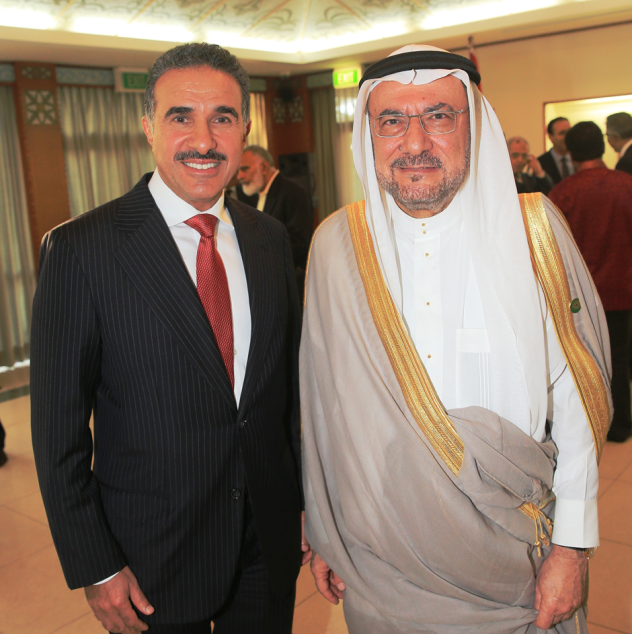
وصل معالي الأمين العام لمنظمة التعاون الإسلامي إياد أمين مدني اليوم إلى العاصمة الاسترالية كانبيرا في المحطة الثانية من الزيارة الرسمية التي يقوم بها إلى استراليا. وكان في استقبال معاليه بالمطار سفير خادم الحرمين الشريفين لدى أستراليا ونيوزيلندا نبيل بن محمد آل صالح وعدد من المسؤولين الأستراليين.
وأوضح معالي الأمين العام إياد مدني أن الزيارة تأتي في إطار تعزيز التواصل مع المسؤولين الاستراليين والفعاليات الثقافية ومؤسسات المجتمع المدني والأكاديميين فضلا عن زيارة مراكز البحوث والدراسات الإسلامية في عدد من الجامعات الاسترالية . وأضاف أن الزيارة تأتي كذلك في سياق الحرص على تعزيز العلاقات مع استراليا التي ترتبط بعلاقة جيدة مع منظمة التعاون الإسلامي.
من جانبه، رحب سفير خادم الحرمين الشريفين لدى أستراليا ونيوزيلندا بزيارة معالي الأمين العام لمنظمة التعاون الإسلامي والوفد المرافق له ، مبرزا أهمية الزيارة في تعزيز العلاقات مع المسؤولين والمجتمع الاسترالي والتفاعل مع الجاليات المسلمة فيها وإبراز جهود المنظمة في التعامل مع القضايا والتحديات الراهنة التي تضمن السلم والأمن والوئام العام في المنطقة والعالم.
وسيقوم الأمين العام مدني خلال الزيارة بلقاء عدد من المسؤولين الاستراليين من بينهم الحاكم الاسترالي العام السير بيتر كوسغروف ووزير العدل الاسترالي مايكل كنان ، والوزيرة المساعدة لشؤون التعددية الحضارية السيناتور كونسيتا فيرافانتي ويلث . كما سيلتقي في مدينة سيدني محطته الثالثة الحاكم العام لولاية نيوساوث ويلز وعدد من المسؤولين والبرلمانيين وقادة الجاليات المسلمة.
Secretary General of (OIC) Iyad Madani Arrives in Canberra
.Secretary General of the Organization of Islamic Cooperation (OIC) Iyad Ameen Madani has arrived today in the Australian capital of Canberra as part of his official visit to Australia
.He was welcomed by Saudi Ambassador to Australia Nabil Al Saleh and various Australian officials
Iran’s Record in Supporting Terrorism
Iran’s Record in Supporting Terrorism and Extremism
Jan 20, 2016

A senior official of Saudi Arabia’s Foreign Ministry stated today that since the Iranian revolution in 1979, Iran has established a record of spreading sedition, unrest and chaos in the region in an effort to undermine the region’s security and stability, and in complete disregard for international law, agreements, treaties, and moral principles. During the same period, the Kingdom has maintained a policy of restraint in spite of having suffered – as have neighboring countries – the consequences of Iran’s continued aggressive policies.
The official said that Iranian policy is based primarily on the preamble of Iranian constitution and the directive of Ayatollah Khomeini, which is based on the idea of exporting revolution. In a flagrant violation of the sovereignty of other states and interference in their internal affairs, Iran recruits militias in Iraq, Lebanon, Syria, and Yemen under what is called ‘supporting the vulnerable and subjugated peoples. It continues to support terrorism by providing safe havens for terrorist organizations on its territory, planting terrorist cells in a number of Arab countries, and assisting in terrorist bombings that have caused the loss of many innocent lives. It has assassinated opposition figures abroad, has continually violated the sanctity of diplomatic missions, and has even assassinated or attempted to assassinate diplomats around the world.
The Minister of Foreign Affairs has prepared by the attached fact sheet to illustrate Iran’s aggressive policies over nearly four decades, and categorically refutes the persistent lies promoted by the Tehran regime, including the foreign ministers article in The New York Times and his message to the Secretary-General of the United Nations.
FACT SHEET: Iran’s Record in Supporting Terrorism and Extremism
- The Iranian regime is the worlds number one sponsor of terrorism. The Quds Force and other state and state-sponsored organizations actively engage in and support terrorist organizations abroad, such as Hezbollah, Hezbollah Al-Hejaz (Saudi Hezbollah), Asa’ib Ahl al-Haq in Iraq, and a number of sectarian militias, including Houthis in Yemen. Iran has supported and conspired with other terrorist organizations, such as Al-Qaeda. Iran has harbored Al-Qaeda leaders, some of whom still enjoy sanctuary in Iran. Iran has been condemned by the United Nations and many countries. International sanctions have been imposed on it.
- In 1982, 96 foreigners were kidnapped in Lebanon, including 25 Americans, in what is known as the hostage crisis which lasted for10 years. Most of kidnappings were carried out by Hezbollah and other Iranian-backed groups.
- Hezbollah bombing of the U.S. embassy in Beirut in 1983, which killed 63 people, was orchestrated by the Iranian regime.
- Also, in 1983, Ismail Ascari, an Iranian national, carried out a suicide bombing at the U.S. Marine Corps barracks in Beirut. The attack was planned by Iran and resulted in the deaths of 241 American servicemen and injuries to 100. It was described by the American press as the largest single group of casualties outside the battlefield.
- On the same day, Hezbollah also sent a suicide truck bomber to the French army barracks in Beirut, which resulted in the deaths of 64 French civilian and military personnel.
- In 1983, members of Hezbollah and the Shiite Hezbo-AlDawa, which were backed by Iran, carried out a number of attacks, including attacks on the U.S, and French embassies in Kuwait, an oil refinery, and a residential neighborhood, resulting in the deaths of five people and the wounding of eight.
- In 1983, Iran attacked Kuwaiti oil tankers in the Gulf. Subsequently, Kuwait tankers were reflagged as American and provided escort by U.S. warships.
- In 1984, Hezbollah attacked a US Embassy annex in east Beirut, resulting in the deaths 24 people.
- In 1985, several Gulf soldiers and citizens were killed when an attempt was made to bomb the motorcade of His Highness, late Sheikh Jaber Al-Ahmad Al-Sabah, Amir of Kuwait.
- In 1985, the Iranian regime masterminded the hijacking of TWA flight; 39 American passengers were held captive for weeks.
- In 1986, Iran urged its pilgrims to carry out riots during Hajj season, which resulted in a stampede and the deaths of 300 people.
- Hezbollah Al-Hejaz set fire to an oil facility in Ras Tanura on the east coast of Saudi Arabia in 1987. In that same year, The pro-Iranian organization attacked the Saudi Petrochemical Company (SADAF) facility in Jubail, in eastern Saudi Arabia.
- In 1987, Iran was involved in the murder of Saudi diplomat Mosaed Alghamdi in Tehran, the same year Saudi Arabia foiled attempts by Iranian pilgrims to smuggle explosives in to the country.
- In 1987, the Saudi embassy in Tehran was attacked and Saudi diplomat Reza Abdulmohsen Al-Nozha was assaulted and taken by Iranian Revolutionary Guard forces. He was released following negotiations between Saudi Arabia and Iran.
- Iranian surrogates were responsible for the abductions and killings of a number of American diplomats in Lebanon in the 1980s.
- Iran was involved in a series of assassinations of Iranian opposition members, including:
- a.The murder of Iranian Kurdistan Democratic Party leader Rahman Ghassemlou and his deputy Abdullah Azar, in Vienna in 1989.
- The assassination in France by the Iranian revolutionary guard of Shapour Bakhtiar, the last Prime Minister of Iran under Shah Mohammad Reza Pahlavi, which also took the lives of a French officer and woman.
- The assassinations of Secretary-General of the Kurdistan Democratic Party, Sadegh Sharafkandi, his assistants Fattah Abdoulie, Homayoun Ardalan, and Nuri Dechrda, in the bombing of the Mykonos restaurant in Berlin in 1992.
- The Iranian regime kidnapped and killed a number of American diplomats in Lebanon in 1989 Iran was responsible for the abduction and killing of a number of U.S. diplomats in Lebanon in the 1989.
- The Iranian regime was involved in the assassination in Thailand of Saudi diplomats Abdullah Al-Malki, Abdullah Al-Bassri, Fahad Al-Bahli, and Ahmed Al-saif in 1989 and 1990.
- In 1992, the Iranian regime was involved in the bombing of Mykonos restaurant in Berlin. The German Federal Prosecutor issued an arrest warrant of Iran’s Minister of Intelligence, Ali Fallahian, for planning and supervising the restaurant bombing and killing (4) Kurdish opposition who were in the restaurant at the time of the bombing.
- Iran was involved in Buenos Aires bombings in 1994, which resulted in the deaths of 85 people and the wounding 300 others. In 2003, British police arrested Hade Pour Soleimanpour, Iran†s former ambassador to Argentina, for conspiring to carry out attack.
- In 1994, the Venezuelan Ministry of Foreign Affairs issued a press release stating that four Iranian diplomats were involved in a covert operation at Simon Bolivar International Airport in Caracas that was aimed at forcing Iranian refugees to return to their country.
- Iran was involved in the Khobar bombings in 1996, which was carried out by the pro-Iranian organization Hezbolla-Al Hijaz and resulted in the deaths of 120 people, including 19 Americans. Iran provided protection to the offenders, including Ahmed AlMoghassil, a Saudi citizen who was arrested in Lebanon in 2015 carrying an Iranian passport. The terrorist attacks were directed by the Iranian military attachأ in Bahrain. The perpetrators were trained in both Lebanon and Iran. The explosives were smuggled from Lebanon to Saudi Arabia by Hezbollah. Evidence is available with Saudi Arabia and the governments of a number of friendly countries.
- Iran has provided a safe haven for a number of Al-Qaeda leaders since 2001, including Saad bin Laden, Saif Al-Adel and others after September 11, 2001. It refuses to hand Al- Qaeda leaders over to Saudi Arabia despite the Kingdom†s continuous requests.
- Iran was involved in the bombings of three residential compounds in Riyadh in 2003, which killed many Saudi citizens and foreign residents, including Americans, at the instruction of one of the Al-Qaeda leaders in Iran.
- In 2003, the Kingdom of Bahrain arrested members of a new terrorist cell that was receiving support from the Iranian Revolutionary Guard and Hezbollah in Lebanon, Kuwait and the United Arab Emirates.
- In 2003, the Iranian regime supported Shiite elements in Iraq by forming political parties and militias loyal to Iran. These activities resulted in the deaths of some 4,400 U.S. service members and tens of thousands of civilians, particularly of Sunni Arabs. Former U.S. ambassador to Iraq James Jeffrey said that the Americans who died were killed in operations carried out by groups backed directly by Iran.
- In 2006, Washington said that Iran supported the Taliban against US forces in Afghanistan and that it had armed groups different ethnic and sectarian groups to strike the US near Iran†s borders. It said further that the Iranian regime had offered a reward of $1000 for every American soldier killed in Afghanistan.
- In 2007, the US Senate passed a resolution calling the Iranian Revolutionary Guard a terrorist organization. this has been the characterization of this group by President George W. Bush and Congress are indicative according to rules issued after the Sept. 11, 2001.
- In 2011, Iran was involved in the assassination of Saudi diplomat Hassan Al-Qahtani in Karachi.
- In 2011, the U.S. foiled an attempt to assassinate the Saudi ambassador to the U.S. and proved the involvement of the Iranian regime. The criminal complaint unveiled in federal court in New York identified two people involved in the plot: Mansour Arbabsear, who was arrested and imprisoned for 25 years, and Gholam Shakuri, an officer in the Iranian Revolutionary Guard, who is currently in Iran and wanted by the U.S. judiciary.
- In October 2012, hackers from Iran’s Revolutionary Guard carried out cyber-attacks against oil and gas companies in Saudi Arabia and the Gulf. U.S. Defense Secretary Leon Panetta described the cyber-attacks as among the most destructive in the private sector. President Obama’s administration said that it is aware that this is the work of the Iranian government.
- In 2012, a plot to assassinate US officials and diplomats in Baku, the capital of Azerbaijan, was discovered. A Shiite group in Azerbaijan, backed by Iran and working under the instructions of the Revolutionary Guard, was behind the plot.
- In 2016, the Kuwaiti criminal court sentenced two members of the “Abdali cell†to death. One has Iranian citizenship. They were charged with carrying out acts that jeopardize the unity and security of Kuwait, and with actively collaborating with Iran and Hezbollah to carry out acts of hostility.
- In January 2016, Iran admitted officially through the commander of the Iranian Revolutionary Guards, Mohammad Ali Jafari, that it had 200 thousand Iranian fighters outside the country – in Syria, Iraq, Afghanistan, Pakistan and Yemen.
- Iranian diplomatic missions form spy networks in different countries to plan and execute terrorist operations. The countries that discovered that Iranian spy networks exist on their territory were: the Kingdom of Saudi Arabia in 2013, Kuwait in 2010 and 2015, Bahrain in 2010 and 2011, Kenya in 2015, Egypt in 2005, 2008, 2011, Jordan in 2015, Yemen in 2012, the UAE in 2013, Turkey in 2012, and Nigeria in 2015.
- In addition to Hezbollah in Lebanon, which was described by U.S. Deputy Secretary of State Richard Armitage as the number one terrorist organization in the world, the Iranian regime founded many terrorist cells and militias in Iraq, Yemen and other countries, and used them to destabilize.
- Iran sent members of the Revolutionary Guard to Iraq to train and organize Shiite militias and use them to kill Sunnis and international forces.
- Iran is the largest distributor of IED explosives in the world. IEDs are used to blow up cars and armored vehicles and have caused the deaths of hundreds of members of international forces in Iraq.
- Iran has violated the sanctity of diplomatic missions, including the attack on the U.S. embassy in 1979 and the detention of its employees for 444 days, the attack on the Saudi Embassy in 1987, the attack on the Embassy of Kuwait in 1987, the attack on the Russian Embassy in 1988, the attack on the Danish embassy in 2006, the assault on a Kuwaiti diplomat in 2007, the attack on the Pakistani embassy in 2009, the attack on the British Embassy in 2011, and the attack on the Embassy of the Kingdom of Saudi Arabia in Tehran and its consulate in Mashhad in 2016.
- The Iranian regime did not protect Saudi diplomatic facilities during the 2016 attacks, despite repeated requests. Security men even entered the embassy building after the attacks and stole its property.
- Saudi Arabia is not the first country to cut off ties with the Iranian regime as a result of its acts of aggression and violation of the sanctity of embassies. The United States, Britain, Canada and other European countries preceded Saudi Arabia. Algeria, Tunisia, Egypt, Morocco and Yemen also severed ties. Recently, Bahrain, Sudan, Somalia and Djibouti have cut off relations with Iranian regime because of Iran†s interference in their affairs and for the connection between the Iranian regime and sponsoring terrorism.
- .While the Kingdom has been a target of many terrorist attacks, the Iranian regime has not been exposed to any acts of terrorism, whether from Al-Qaeda or Daesh, giving weight to suspicions that Iran is working with terrorist organizations.
- The Arab region did not know sectarianism until after the Iranian revolution in 1979. Iran has interfered in Lebanon, Syria, Iraq and Yemen. One of its agents, Heidar Moslehi, the former Iranian Minister of Intelligence, ranted that Iran occupies four Arab capitals.
- The Iranian regime seduced many Gulf citizens by taking advantage of their religious feelings and smuggling them illegally to Iran. They traveled covertly through third countries with no visas, and their Iranian handlers instructed them to leave by boat and venture into international waters, where Iran picked them up and claimed to rescue them. The Iranian regime enrolled them in training for armed operations and other terrorist acts and took them back to their countries to carry out these acts.
- Perhaps the greatest example of Iran†s interference is its flagrant interference in Syria through its Revolutionary Guard forces, the Al-Quds Force and the recruitment of Hezbollah militia and sectarian militias from a number of countries to fight alongside the regime of Bashar al-Assad.
- The Iranian interference in the affairs of the Arab region was strongly rejected by the Arab League in all its decisions, including its last meeting on Jan. 10, 2016.
- Iran claim that its embassy in Yemen was bombed was disproved by facts backed up with photos.
- Iran fabricated the claim that one of Makkah†s imams spoke negatively about Shiites. Audio and videos of all the speeches of the imams of the Holy Mosque disprove this charge.
- Nimr Al-Nimr, a person whom Iran calls a peaceful political activist, was convicted of terrorism charges along with 46 others. He was convicted of establishing a terrorist cell that plans and executes terrorist acts and recruits and arms people to carry them out. Those acts that have resulted in the deaths of a number of security officers.
- The Iranian regime was condemned by the international community and the United Nations for human rights violations and its support of terrorism, which was confirmed by UN General Assembly Report A70/411 issued October 6, 2015.
- According to international reports, Iran executed more than 1,000 people during 2015, an average of three executions a day. The pace of these executions increased during the first seven months of 2015. The Iranian Supreme Court approved the executions of 27 Sunni preachers without any justification.
- Iran continuous to repress its minorities, including Arab Ahwaz, Kurds, and Baluchs.
- Iran is in violation of Security Council Resolution 2216 with regard to Yemen because it continues to supply weapons to the Houthi militias. Iranian ships carrying weapons, including rockets, were intercepted on their way to the Houthis in Yemen.
- The Iranian regime claims to protect its agents, but does not hesitate to get rid of them as soon as their terrorist acts are discovered. This happened to one of those who participated in Khobar bombing.
- Iran foreign minister’s allegation that Saudi Arabia opposed the nuclear agreement is not true. Saudi Arabia publicly supported any agreement that would prevent Iran from acquiring a nuclear weapon and includes a rigid and consistent inspection mechanism, with the option of imposing sanctions should Iran violate the agreement, which was affirmed by the United States.
- Iran should determine whether it is a revolution in a state of chaos and disobeys international laws or a country that respects international agreements and treaties and the principles of good neighborliness and non-interference in the internal affairs of other countries.
- Since the beginning of the Iranian revolution, Saudi Arabia has tried to reach out to Iran in peace, harmony, peaceful co-existence and good neighborly relations, but Iran responded by spreading sectarianism, provocation, killing and destruction.
- If Iran wants to show reason and logic, it must start with itself before asking others to do so.
Recent Posts
- Saudi surgeons successfully separate Fijian conjoined twins
- Al-Issa’s visit highlights Australia’s multifaith future
- Saudi Ambassador to Australia Receives Muslim World League Secretary-General
- Australian Saudi Business Council and Forum hosts Ramadan iftar in Sydney
- Saudi Heritage Shines at Canberra’s National Multicultural Festival 2026
Recent Comments
Archives
- October 2026
- April 2026
- March 2026
- February 2026
- September 2025
- August 2025
- May 2025
- February 2025
- September 2024
- June 2024
- May 2024
- February 2024
- November 2023
- October 2023
- September 2023
- April 2023
- March 2023
- February 2023
- December 2022
- November 2022
- October 2022
- September 2022
- July 2022
- September 2021
- July 2020
- February 2020
- January 2020
- September 2019
- February 2019
- January 2019
- March 2018
- February 2018
- January 2018
- December 2017
- November 2017
- October 2017
- September 2017
- August 2017
- December 2016
- November 2016
- October 2016
- September 2016
- August 2016
- June 2016
- May 2016
- February 2016
- January 2016
- December 2015
- October 2015
- July 2015
- May 2015
- April 2015
- November 2014
- October 2014
- August 2014
- July 2014
- April 2014
- March 2014
- February 2014
- December 2013
- November 2013
- October 2013
- September 2013
- August 2013
- July 2013
- June 2013
- May 2013
- April 2013
- February 2013
- December 2012
- October 2012
- September 2012
- August 2012
- July 2012
Categories
- 2009
- 2010
- 2011
- 2012
- 2013
- 2014
- 2015
- 2016
- April
- April
- April
- Arabic
- August
- Combatting Terrorism
- December
- December
- December
- December
- December
- December
- English
- February
- February
- February
- February
- January
- July
- July
- June
- June
- June
- June
- March
- March
- May
- May
- May
- May
- November
- November
- October
- October
- Photo Gallery
- SA News
- SA TV
- Saudi Australia Relations
- SAUDI BULLETIN
- Saudi Issues
- Saudi Vision 2030
- September
- September
- September
- September
- September
- September
- Uncategorized